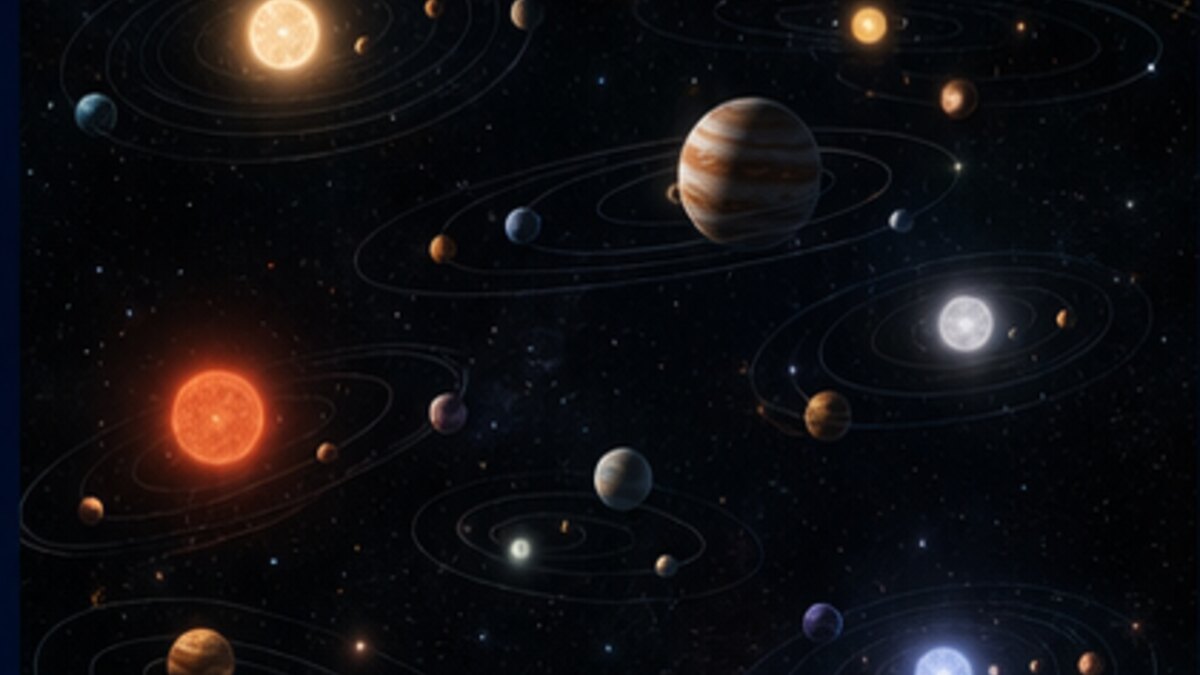
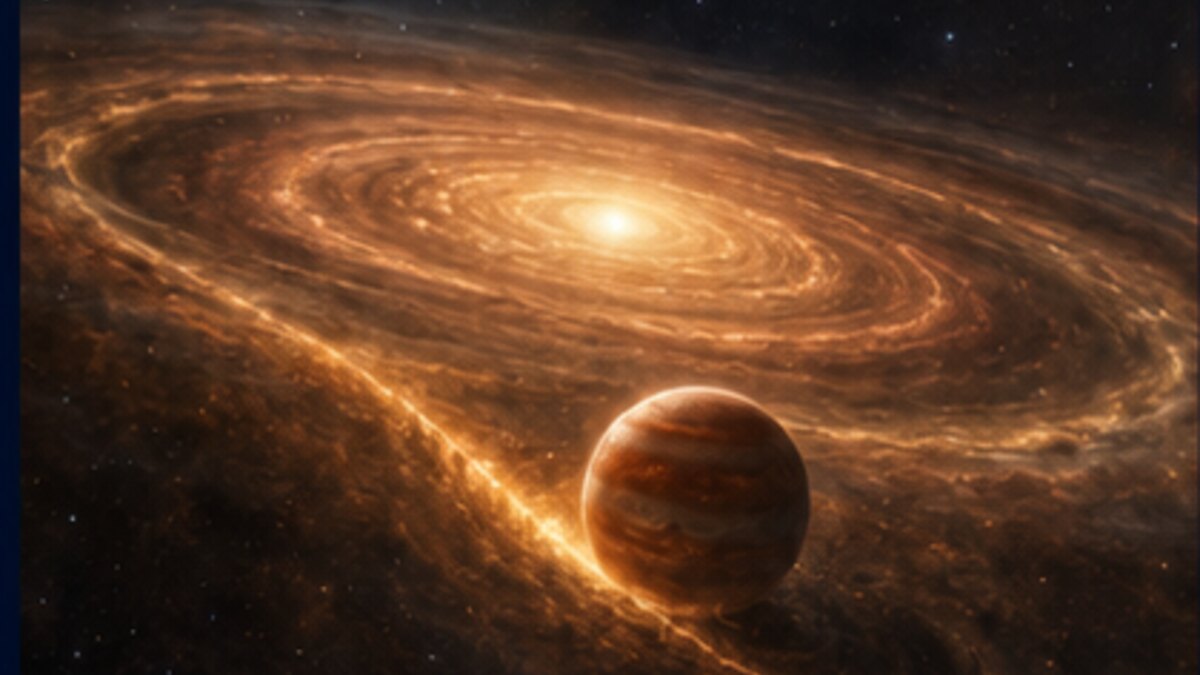
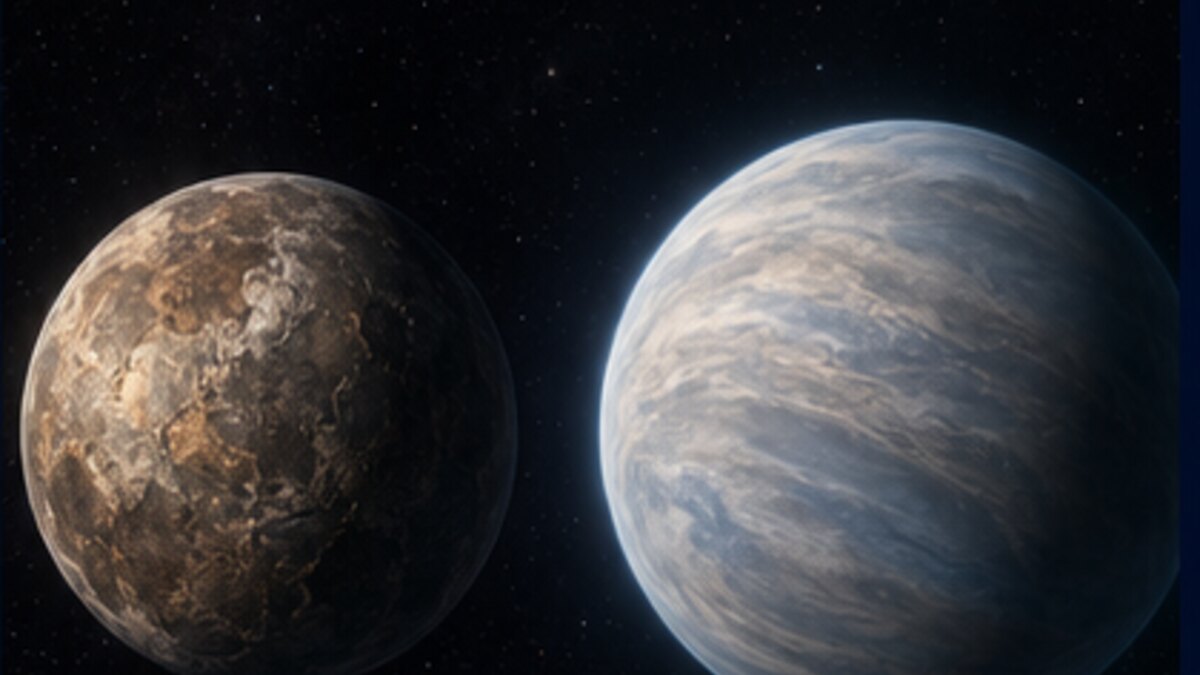
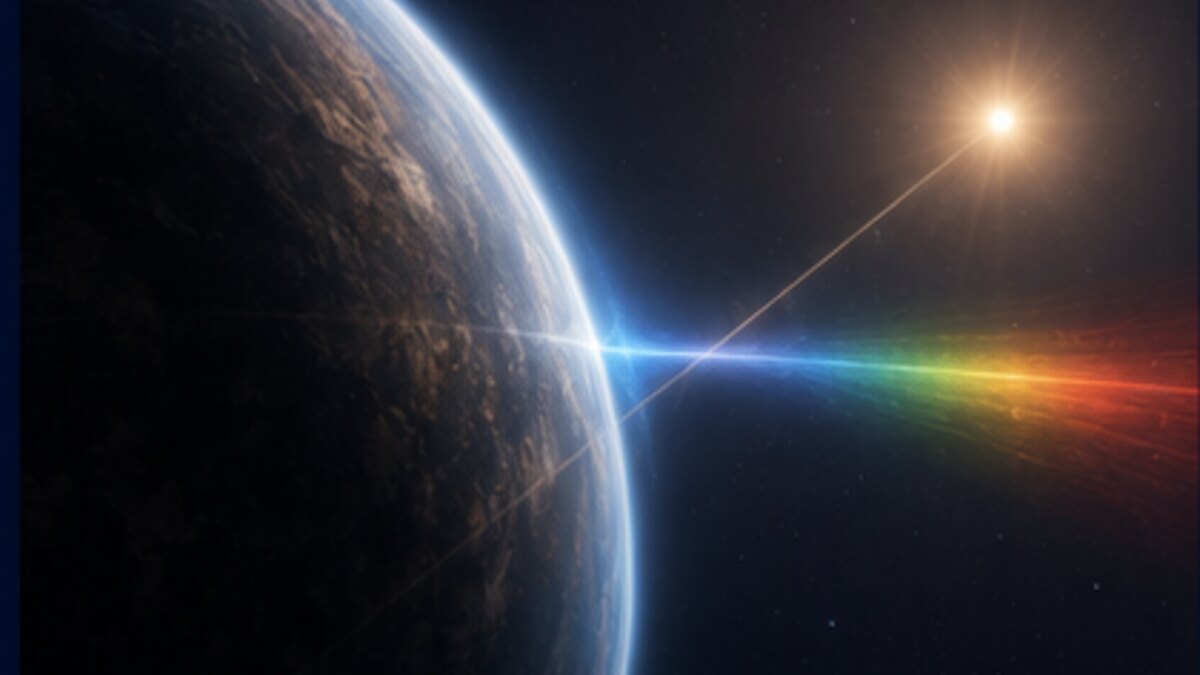
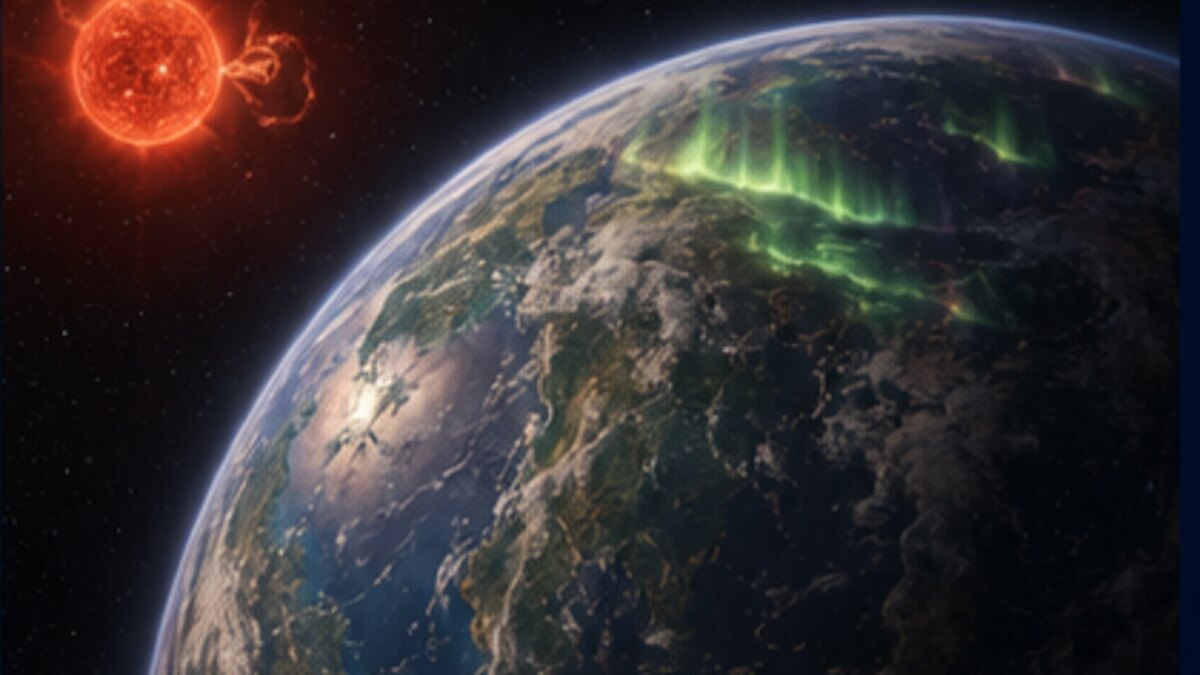
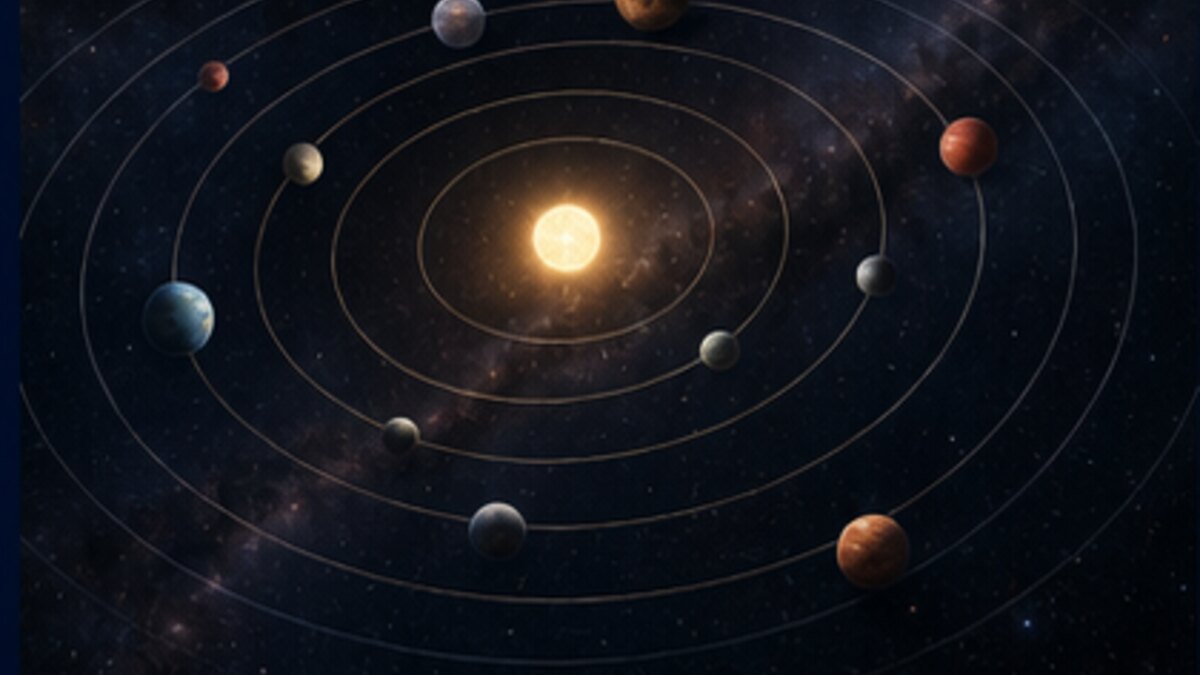
Exoplanets are worlds that orbit stars beyond our Sun. Astronomers usually find them by watching how they affect their stars rather than by photographing them directly. Studying their sizes, orbits, temperatures, and atmospheres shows us how varied planetary systems can be.
Start with the short explanation in each chapter. Open “Go a little deeper” only when you want more detail. The final line shows how the next chapter follows from the one you just read.
01CHAPTER
Planets became a statistical science.
The first discoveries
IN PLAIN LANGUAGE
Here is the big picture: Planets became a statistical science. The main point to remember is this: Early systems defied solar-system expectations.
See the fuller scientific explanation +
Pulsar planets and hot Jupiters overturned expectations in the 1990s. Improved radial-velocity measurements and transit surveys transformed rare detections into thousands of confirmed worlds.
The catalog is shaped by selection effects: large, close-in planets are easier to find. Correcting those biases is essential when estimating how common different planetary systems truly are.
THE POINTS TO REMEMBER
✦Early systems defied solar-system expectations
✦Detection favors large or short-period worlds
✦Population inference requires bias correction
NEXT Now that this piece is in place, we can turn to Transit photometry.
Exoplanets revealed that planetary architecture is far more diverse than one example suggested.
02CHAPTER
A planet briefly dims its star.
Transit photometry
IN PLAIN LANGUAGE
Here is the big picture: A planet briefly dims its star. The main point to remember is this: Depth measures area ratio.
See the fuller scientific explanation +
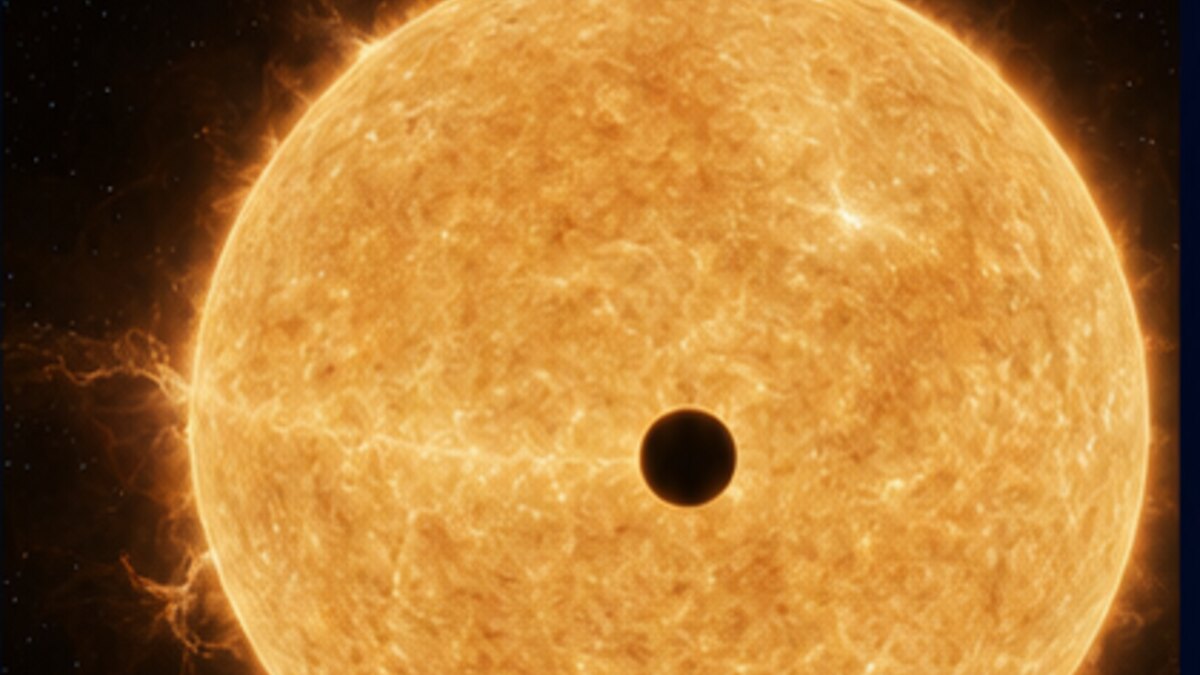
When an orbit crosses our line of sight, the planet blocks a fraction of starlight. The depth estimates radius relative to the star, while repeated timing reveals orbital period.
Transit shape can constrain inclination and stellar density. False positives from eclipsing stars, blends, or activity require follow-up observations.
THE POINTS TO REMEMBER
✦Depth measures area ratio
✦Period follows repeated events
✦Validation distinguishes planets from impostors
NEXT Now that this piece is in place, we can turn to Radial velocity.
A tiny recurring dip can reveal a world too faint to image directly.
03CHAPTER
Starlight measures an orbital wobble.
Radial velocity
IN PLAIN LANGUAGE
Here is the big picture: Starlight measures an orbital wobble. The main point to remember is this: Doppler shifts trace stellar motion.
See the fuller scientific explanation +
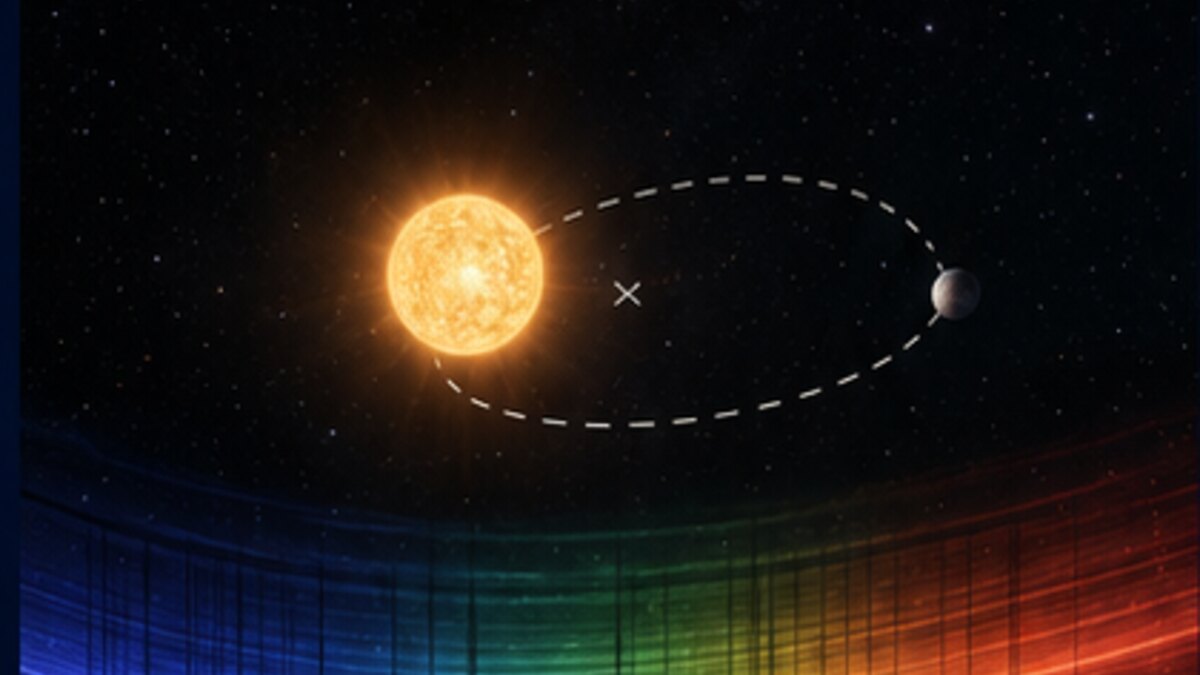
A planet and star orbit their common center of mass. Spectral lines shift toward red and blue as the star moves along our line of sight.
The signal gives a minimum planet mass because orbital inclination may be unknown. Combined with a transit radius, it yields bulk density and clues to composition.
Precision the study of an object by separating its light into colors detects stellar speeds of only meters per second.
04CHAPTER
Different methods reveal different populations.
Imaging, microlensing, and timing
IN PLAIN LANGUAGE
Here is the big picture: Different methods reveal different populations. The main point to remember is this: Imaging favors young separated giants.
See the fuller scientific explanation +
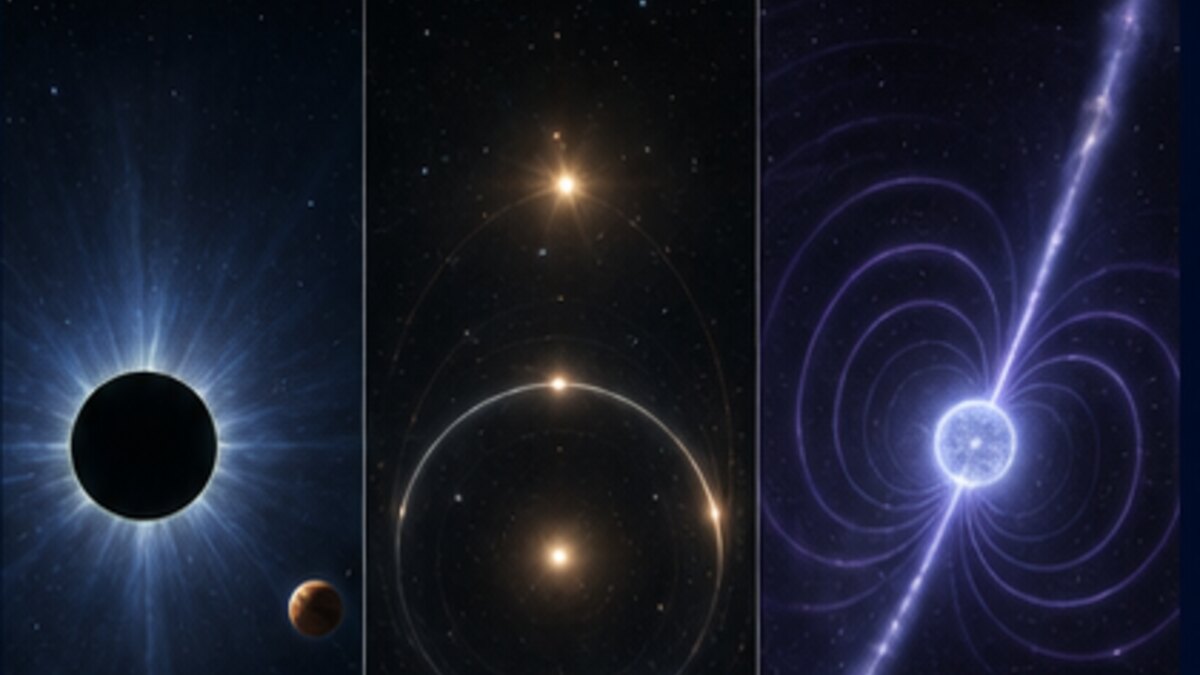
Direct imaging suppresses starlight to detect young, hot planets on wide orbits. Microlensing uses gravitational magnification and can find cold or distant planets, while timing methods detect perturbations with exceptional precision.
No method supplies a complete census. Their overlapping sensitivities build a broader picture from close-in rocky planets to wide-orbit giants and free-floating worlds.
Multiple techniques explore regions inaccessible to transit surveys.
05CHAPTER
Giant planets can move far from birthplaces.
Hot Jupiters and migration
IN PLAIN LANGUAGE
Here is the big picture: Giant planets can move far from birthplaces. The main point to remember is this: Close-in giants formed elsewhere.
See the fuller scientific explanation +
Hot Jupiters orbit in days at temperatures far above what their formation location could allow. They likely formed farther out and migrated through disk interactions or later gravitational dynamics.
Migration can reshape entire systems, alter resonances, and scatter smaller worlds. Planet formation is therefore an evolutionary process, not a static assembly line.
THE POINTS TO REMEMBER
✦Close-in giants formed elsewhere
✦Disks exchange rotational motion with planets
✦Later dynamics can excite eccentric or tilted orbits
A planet’s present orbit may be far from where it formed.
06CHAPTER
The galaxy’s common planets are absent from our system.
Super-Earths and mini-Neptunes
IN PLAIN LANGUAGE
Here is the big picture: The galaxy’s common planets are absent from our system. The main point to remember is this: Size alone does not fix composition.
See the fuller scientific explanation +
Many systems contain planets between Earth and Neptune in size. Some are dense rocky super-Earths; others retain thick hydrogen-rich envelopes and are called mini-Neptunes.
A radius gap between populations may reflect atmospheric loss by stellar radiation or core-powered escape. These worlds test interior and atmosphere models beyond familiar solar-system categories.
Intermediate-size worlds dominate surveys yet have no local counterpart.
07CHAPTER
Filtered starlight reveals chemistry.
Planetary atmospheres
IN PLAIN LANGUAGE
Here is the big picture: Filtered starlight reveals chemistry. The main point to remember is this: Spectra encode atmospheric absorption.
See the fuller scientific explanation +
During transit, a small fraction of starlight passes through an atmosphere. Molecules absorb selected wavelengths, while eclipses and phase curves measure planetary emission and heat transport.
Clouds, stellar activity, limited signal, and overlapping molecular bands complicate interpretation. Retrieval models estimate plausible compositions rather than directly photographing gases.
Atmospheric the study of an object by separating its light into colors turns wavelength-dependent light into chemical evidence.
08CHAPTER
Distance alone does not create an Earth.
Climate and habitability
IN PLAIN LANGUAGE
Here is the big picture: Distance alone does not create an Earth. The main point to remember is this: Habitable zone is conditional.
See the fuller scientific explanation +
The habitable zone marks where surface liquid water could exist under suitable atmospheric conditions. It is a useful first filter, not a declaration that a planet is inhabited or even habitable.
Mass, atmosphere, clouds, rotation, oceans, magnetic environment, geology, and stellar variability all matter. M dwarfs present both long lifetimes and intense early activity.
Potential habitability is a planetary-system property, not a single orbital distance.
09CHAPTER
Orbits preserve formation history.
System architecture
IN PLAIN LANGUAGE
Here is the big picture: Orbits preserve formation history. The main point to remember is this: Resonances record migration.
See the fuller scientific explanation +
Multiplanet systems show resonances, compact chains, eccentric orbits, mutual tilts, and large spacing diversity. Transit-timing variations reveal masses when planets gravitationally perturb one another.
Comparing architectures tests disk structure, migration, collisions, and long-term stability. Our solar system is one outcome among many, not necessarily the standard form.
Whole systems provide stronger evolutionary clues than isolated planets.
10CHAPTER
From counting worlds to comparative planetology.
The next exoplanet era
IN PLAIN LANGUAGE
Here is the big picture: From counting worlds to comparative planetology. The main point to remember is this: Better stars produce better planet measurements.
See the fuller scientific explanation +
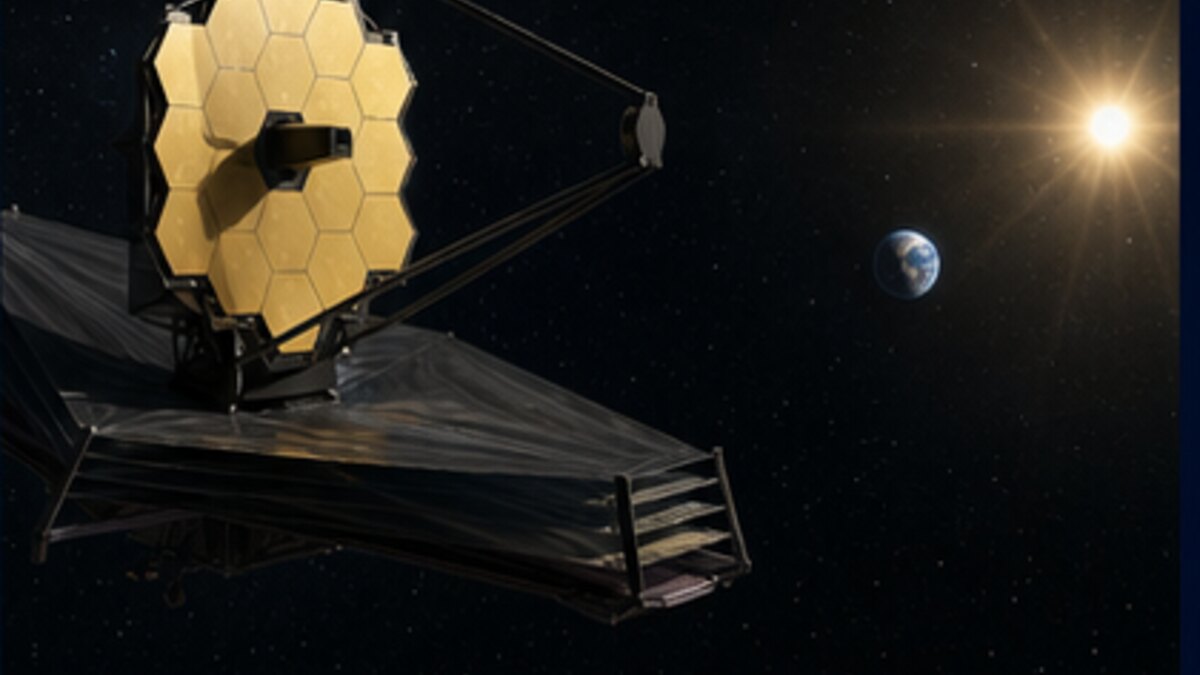
New telescopes will refine masses, atmospheres, temperatures, weather, and orbital histories. High-contrast imaging aims eventually to characterize smaller temperate planets around nearby stars.
Progress depends on stellar characterization, laboratory spectra, atmospheric models, and careful statistics. Extraordinary interpretations require repeated, independent evidence.
THE POINTS TO REMEMBER
✦Better stars produce better planet measurements
✦Future imaging targets reflected planetary light
✦Robust conclusions require converging methods
The field is moving from discovery toward physical understanding of worlds.
THE ESSENTIAL THREAD
Three ideas worth keeping.
01Detection methods favor some worlds over others.
02Planetary migration is common.
03Atmospheric spectra can reveal chemistry but require cautious interpretation.