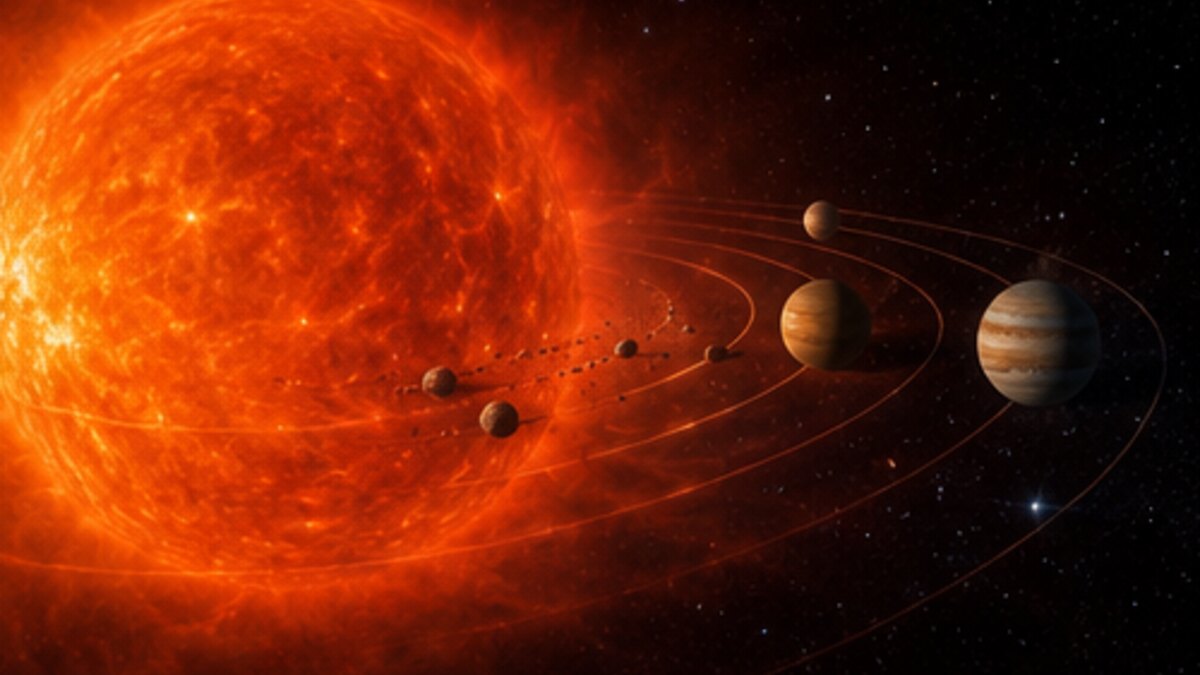
Space exploration uses robotic spacecraft, telescopes, and human missions to investigate places beyond Earth. Every mission must balance its scientific questions with limits on power, weight, distance, communication, and safety. The result is a long-distance partnership between carefully designed machines and teams on Earth.
Start with the short explanation in each chapter. Open “Go a little deeper” only when you want more detail. The final line shows how the next chapter follows from the one you just read.
01CHAPTER
Exploration begins with questions worth the journey.
Why leave Earth?
IN PLAIN LANGUAGE
Here is the big picture: Exploration begins with questions worth the journey. The main point to remember is this: Science goals drive design.
See the fuller scientific explanation +
Space missions study how worlds formed, whether environments could support life, and how Earth fits into the solar system. They also force us to invent reliable tools for difficult places.
A good mission starts with a small set of testable questions. The spacecraft, instruments, orbit, and schedule are built around answering them.
THE POINTS TO REMEMBER
✦Science goals drive design
✦Exploration expands human capability
✦Clear questions keep missions focused
NEXT Now that this piece is in place, we can turn to Getting into space.
A mission is a scientific question turned into hardware, software, and operations.
02CHAPTER
Orbit is continuous falling, not simply going up.
Getting into space
IN PLAIN LANGUAGE
Here is the big picture: Orbit is continuous falling, not simply going up. The main point to remember is this: Orbit requires sideways velocity.
See the fuller scientific explanation +
A rocket must climb through the atmosphere and gain enough sideways speed that the spacecraft keeps falling around Earth. Most launch energy goes into that horizontal motion.
Staging discards empty tanks and engines so the remaining vehicle does not carry unnecessary mass. Every kilogram shapes cost, performance, and risk.
Launch converts stored chemical energy into the speed needed to remain in orbit.
03CHAPTER
A spacecraft follows a moving target through gravity.
Navigation between worlds
IN PLAIN LANGUAGE
Here is the big picture: A spacecraft follows a moving target through gravity. The main point to remember is this: Planets move during the journey.
See the fuller scientific explanation +
Mission planners do not aim where a planet is today. They design a trajectory that reaches where the planet will be, often using efficient transfer orbits.
Gravity assists can trade momentum with a planet to change speed and direction. Small course corrections made early can prevent large misses later.
THE POINTS TO REMEMBER
✦Planets move during the journey
✦Transfer orbits save propellant
✦Gravity assists reshape trajectories
NEXT Now that this piece is in place, we can turn to Robotic scouts.
Interplanetary navigation is timed choreography among moving worlds.
04CHAPTER
Machines can wait, endure, and take the first risk.
Robotic scouts
IN PLAIN LANGUAGE
Here is the big picture: Machines can wait, endure, and take the first risk. The main point to remember is this: Mission type follows the question.
See the fuller scientific explanation +
Flybys survey quickly, orbiters map for years, landers study one place, and rovers move between sites. Each architecture answers a different kind of question.
Robots work far from repair crews and often with delayed instructions. Their greatest strength is patient, repeatable science in places humans cannot yet reach safely.
THE POINTS TO REMEMBER
✦Mission type follows the question
✦Autonomy grows with distance
✦Robots extend human senses
NEXT Now that this piece is in place, we can turn to The Moon.
Robotic explorers turn distant surfaces and atmospheres into usable data.
05CHAPTER
Our neighbor is a laboratory and a history book.
The Moon
IN PLAIN LANGUAGE
Here is the big picture: Our neighbor is a laboratory and a history book. The main point to remember is this: Ancient surfaces preserve impact history.
See the fuller scientific explanation +
Lunar rocks preserve early solar-system events that Earth has erased through weather and plate tectonics. The poles may also hold water ice in permanently shadowed regions.
The Moon offers a nearby place to test surface power, habitats, mobility, and operations. It is scientifically valuable in its own right—not merely a stepping-stone.
THE POINTS TO REMEMBER
✦Ancient surfaces preserve impact history
✦Polar ice may support science and exploration
✦Proximity makes repeated missions practical
NEXT Now that this piece is in place, we can turn to Mars.
The Moon connects planetary science with the engineering of longer human journeys.
06CHAPTER
A planet can be familiar and hostile at the same time.
Mars
IN PLAIN LANGUAGE
Here is the big picture: A planet can be familiar and hostile at the same time. The main point to remember is this: Ancient Mars was wetter.
See the fuller scientific explanation +
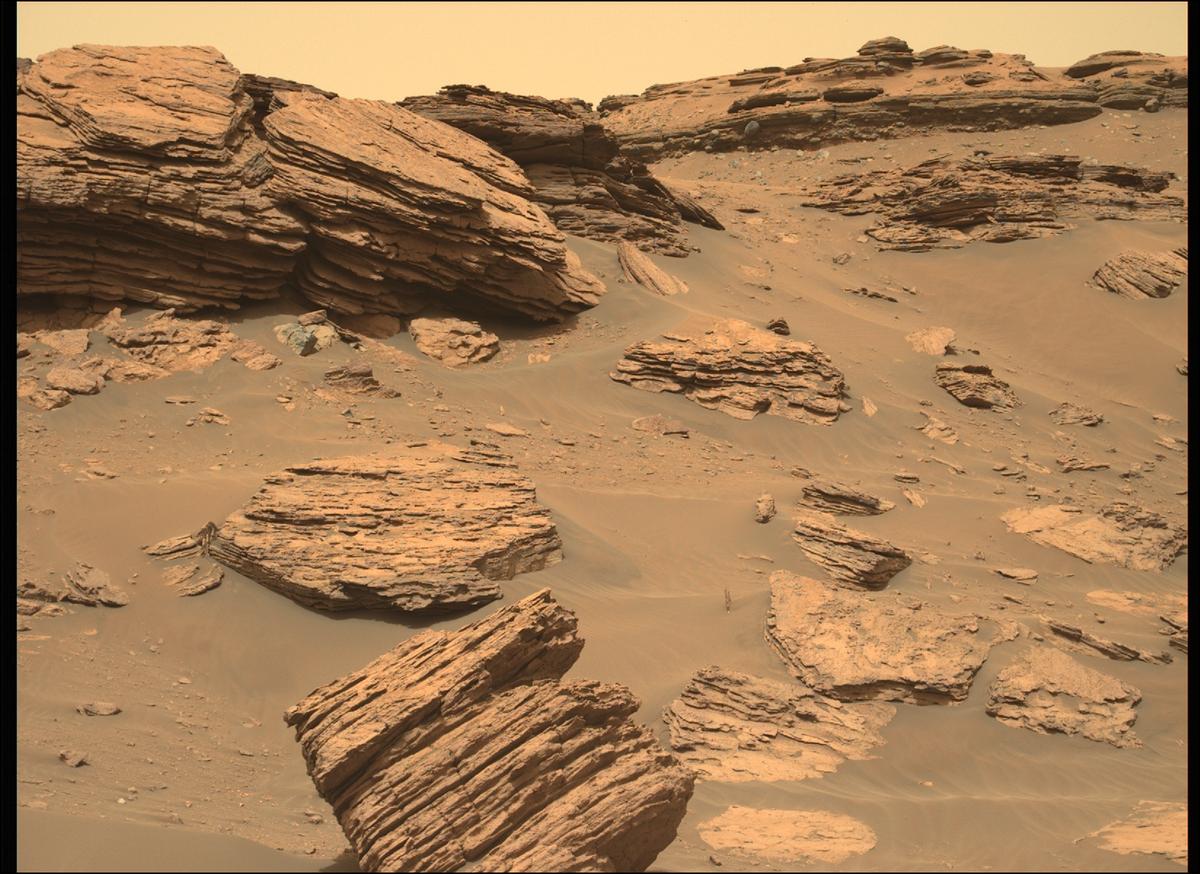
Mars has seasons, volcanoes, canyons, polar ice, and strong evidence of ancient rivers and lakes. It also has thin air, intense cold, global dust, and damaging radiation.
Orbiters, landers, and rovers work together: broad maps guide surface missions, while ground measurements explain what the maps mean.
Mars rewards exploration because its rocks preserve a long and changing climate history.
07CHAPTER
Distance turns every task into an exercise in patience.
The outer solar system
IN PLAIN LANGUAGE
Here is the big picture: Distance turns every task into an exercise in patience. The main point to remember is this: Weak sunlight changes power choices.
See the fuller scientific explanation +
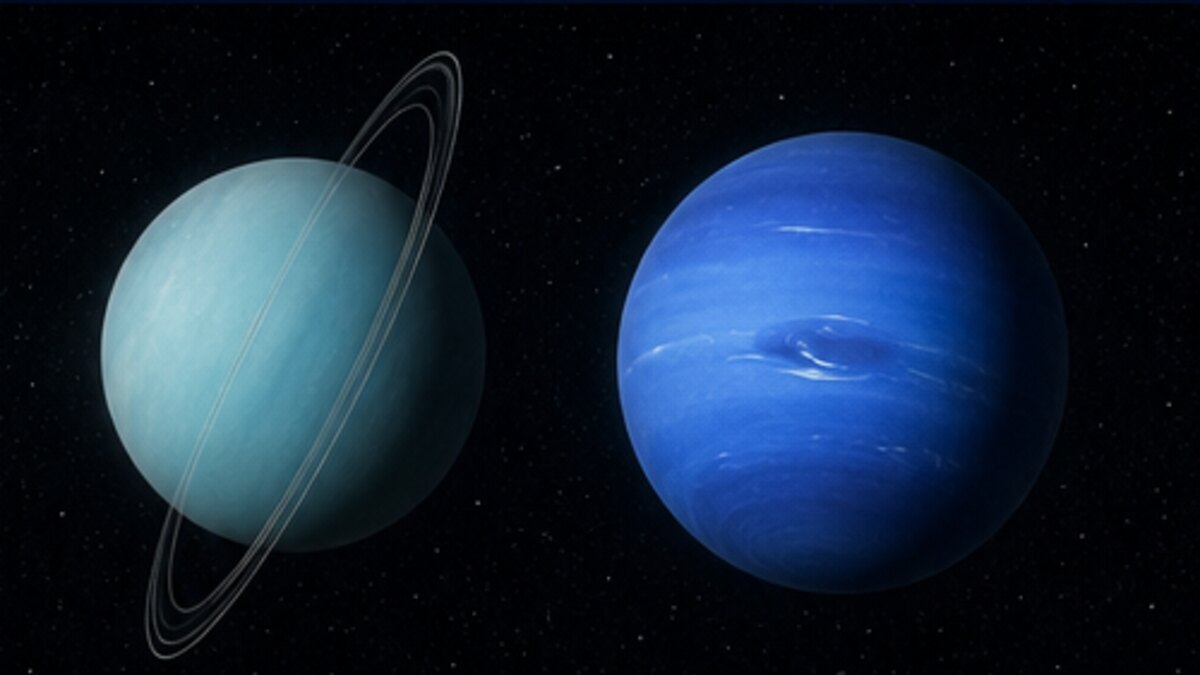
Beyond the asteroid belt, sunlight weakens and travel times stretch into years. Missions may use nuclear power, large antennas, careful thermal design, and long periods of hibernation.
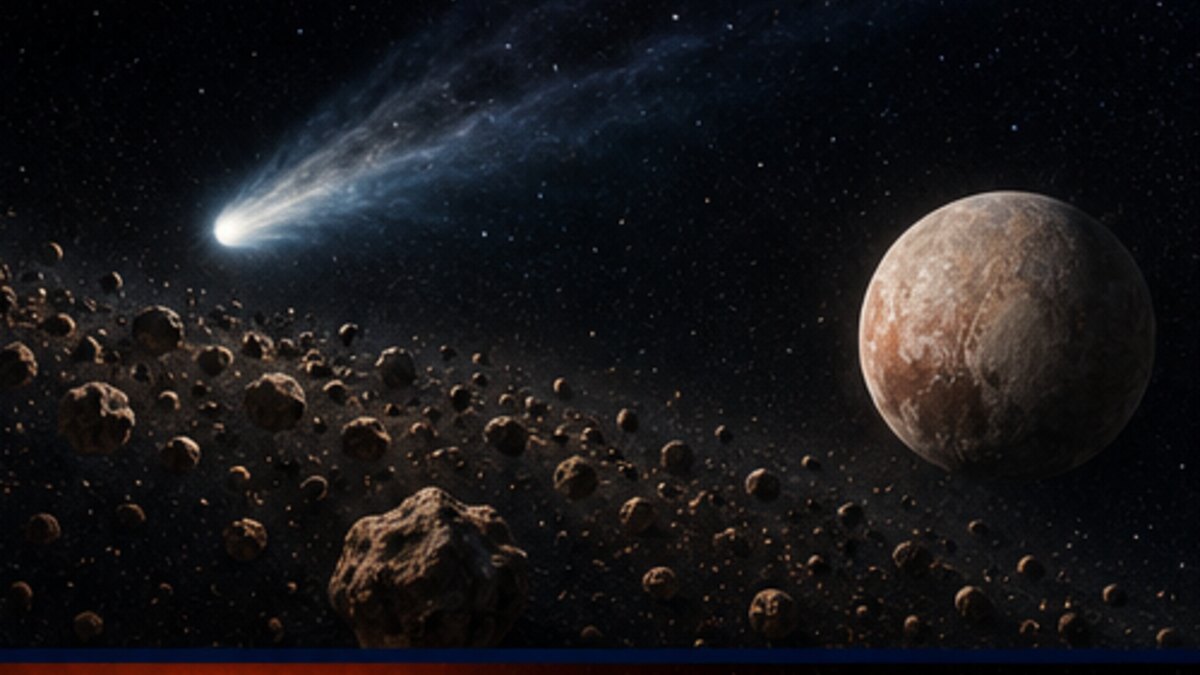
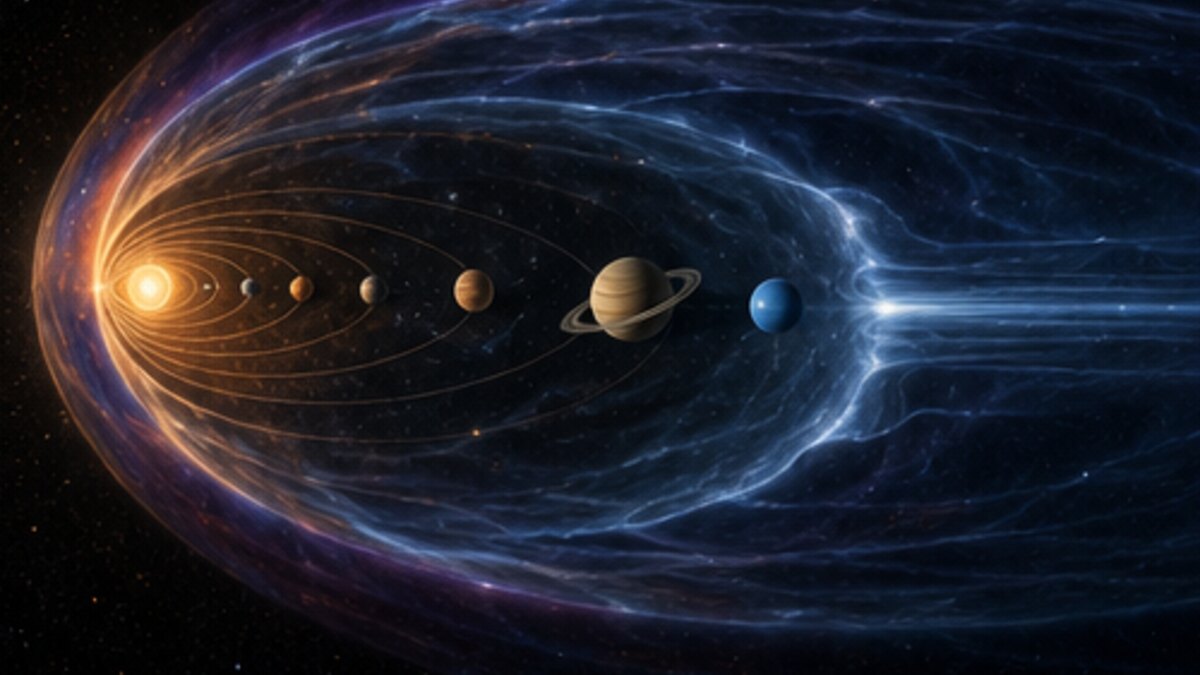
The reward is extraordinary variety: giant-planet atmospheres, rings, magnetic fields, ocean moons, comets, and ancient icy bodies.
THE POINTS TO REMEMBER
✦Weak sunlight changes power choices
✦Communication delay limits direct control
✦Outer worlds preserve early material
NEXT Now that this piece is in place, we can turn to Space telescopes.
Far missions trade speed and convenience for access to remarkably diverse worlds.
08CHAPTER
Sometimes the best destination is a clearer view.
Space telescopes
IN PLAIN LANGUAGE
Here is the big picture: Sometimes the best destination is a clearer view. The main point to remember is this: Space opens blocked wavelengths.
See the fuller scientific explanation +
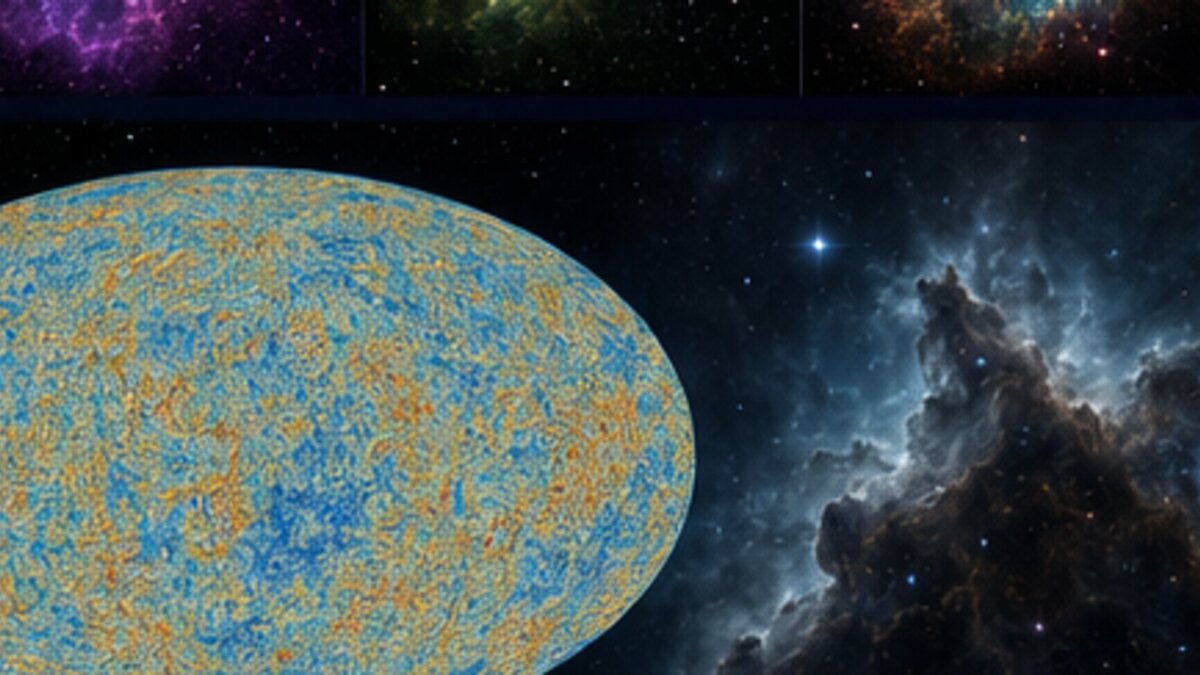
Above much or all of Earth's atmosphere, telescopes can observe wavelengths blocked from the ground and avoid atmospheric blur. Their location is chosen for temperature, sky access, stability, and communications.
Space does not make observation easy. Instruments must survive launch, operate remotely, and control heat with exceptional care.
THE POINTS TO REMEMBER
✦Space opens blocked wavelengths
✦Thermal stability protects sensitivity
✦Remote observatories demand reliability
NEXT Now that this piece is in place, we can turn to Humans in space.
A space telescope is an exploration mission aimed outward rather than at one destination.
09CHAPTER
People are flexible explorers with complex needs.
Humans in space
IN PLAIN LANGUAGE
Here is the big picture: People are flexible explorers with complex needs. The main point to remember is this: Humans adapt quickly.
See the fuller scientific explanation +
Astronauts can improvise, repair equipment, and connect many observations in real time. Keeping them healthy requires air, water, food, shielding, temperature control, exercise, and dependable return plans.
Long missions add isolation, communication delay, low gravity, and radiation. Human exploration therefore advances as much through life-support research as through rockets.
THE POINTS TO REMEMBER
✦Humans adapt quickly
✦Life support must work continuously
✦Radiation and isolation shape long missions
NEXT Now that this piece is in place, we can turn to The road ahead.
Crewed exploration combines scientific flexibility with demanding protection and support systems.
10CHAPTER
Future exploration will be a shared, layered effort.
The road ahead
IN PLAIN LANGUAGE
Here is the big picture: Future exploration will be a shared, layered effort. The main point to remember is this: Robots and crews complement each other.
See the fuller scientific explanation +
Robotic missions will keep scouting while human programs build longer stays near and beyond Earth. Commercial providers and international partners increasingly supply launch, spacecraft, instruments, and infrastructure.
Interstellar probes remain far harder: even the nearest stars are enormously distant. For now, progress comes from better propulsion, autonomy, power, communication, and the patience to build capability one mission at a time.
THE POINTS TO REMEMBER
✦Robots and crews complement each other
✦Partnerships spread capability and risk
✦Interstellar travel needs major breakthroughs
Exploration grows through connected missions rather than one dramatic leap.
THE ESSENTIAL THREAD
Three ideas worth keeping.
01Robots go first because they can tolerate risk, distance, and time.
02Human missions trade greater flexibility for much harder life-support demands.
03Exploration succeeds through clear questions, reliable systems, and patient teamwork.